Our Office
5909 South Congress Ave
Lake Worth, FL 33462
Existing Patients: (561) 967-6453
New Patients: (561) 203-0359
Emergency: (754) 800-1949
Fax: (561) 431-5866
Visit Us Online

Keeping your smile healthy requires more than daily brushing and flossing — professional dental cleanings are an essential complement to home care. Even the most careful oral hygiene routines can miss plaque hidden in tight contacts, near the gumline, and below the visible surfaces of teeth. Regular visits for thorough cleanings remove hardened deposits and bacterial buildup that home tools can't safely address, and they give your care team a chance to identify early signs of trouble before they become more complex problems.
Plaque is a living film of bacteria that forms continuously on tooth surfaces. When it remains in place, minerals in saliva cause it to harden into tartar, which adheres strongly and serves as a reservoir for harmful microbes. Left unchecked, those bacteria contribute to cavities and inflammation of the gums. A professional cleaning removes both soft plaque and hardened deposits, interrupting this cycle and reducing the risk of progressive disease.
Routine cleanings also provide a consistent point of monitoring. During each visit, a hygienist evaluates gum health, measures pocket depths, and checks for early signs of decay or erosion. Catching small problems early makes treatment simpler, less invasive, and more predictable, which protects your teeth and preserves natural structures over time.
Preventive care does more than protect your smile; it supports overall well-being. Research links chronic oral inflammation to systemic concerns, and keeping the mouth healthy contributes to a healthier body. Scheduling regular professional cleanings is one of the most reliable steps people can take to maintain long-term oral and general health.
Modern cleanings use a combination of techniques to target deposits precisely and comfortably. Ultrasonic scalers gently vibrate to dislodge heavy tartar while flushing the area with a cooling stream of water. Hand instruments allow the hygienist to carefully remove stubborn deposits where needed and to follow up with a tactile, controlled finish. Using both methods together ensures thorough removal while minimizing discomfort.
After deposits are removed, the hygienist polishes tooth surfaces to lift superficial stains and smooth rough areas where bacteria can gather. This step also makes it easier for you to keep teeth cleaner at home. In many practices, polishing is followed by a professional fluoride or remineralizing application when appropriate, adding another layer of protection against decay for people at higher risk.
Every cleaning is individualized. If a patient has sensitive teeth, signs of active gum inflammation, or other concerns, the hygienist will adapt the approach — using topical anesthetic or pausing for comfort as needed. The goal is a thorough, efficient visit that leaves patients informed and more confident in their home care routine.
While routine cleanings focus on the areas above and just below the gumline, some patients require closer monitoring and more intensive care. When pockets form between the tooth and gum, bacteria can collect deeper than standard tools can reach. In those cases, the hygienist will assess whether more frequent cleanings or specialized periodontal therapy is indicated to stabilize gum health.
Early-stage inflammation (gingivitis) frequently responds well to a renewed regimen of professional cleanings combined with improved home care. The hygienist will show targeted brushing and interdental cleaning techniques to help reverse inflammation. For patients with established periodontal concerns, the dental team creates a personalized plan that emphasizes infection control, healing, and ongoing maintenance to prevent disease progression.
Consistent follow-up is essential for keeping gum disease under control. After an initial course of care, recurring maintenance visits help ensure pockets are shrinking, bleeding has resolved, and harmful bacterial levels are reduced. This collaborative approach between patient and team is the most effective way to protect supporting tissues and preserve natural teeth.
Professional care is only one part of a successful oral health strategy — daily habits determine how long that care lasts. Brushing twice a day with a soft-bristled brush and fluoride toothpaste removes the majority of plaque from exposed surfaces. Equally important is cleaning between teeth: flossing, interdental brushes, or water flossers reach the tight spaces a toothbrush can’t, cutting down on the bacterial reservoirs that lead to tartar buildup.
Small adjustments in routine and diet can make a measurable difference. Limiting frequent snacking and mindful consumption of acidic or sticky foods reduce the conditions that favor decay. Using an antimicrobial rinse when recommended can also help control plaque in hard-to-reach areas, especially for those with braces, bridges, or other appliances that complicate cleaning.
Finally, consistency is the most powerful tool. Establishing reliable morning and evening routines, combined with regular professional cleanings, creates a sustainable path to a healthier mouth. Your hygienist can demonstrate techniques and recommend products that fit your needs and preferences, making daily care feel efficient rather than burdensome.
At Horizon Palms Family Dentistry, preventive cleanings are delivered with an emphasis on comfort, patient education, and long-term planning. Our team uses modern instrumentation and evidence-based protocols to remove deposits safely while minimizing sensitivity. We take time to explain what we find during each visit and to outline simple, actionable steps you can take at home to maintain progress between appointments.
We also tailor schedules to individual risk. Some patients do well with semi-annual visits, while others benefit from more frequent maintenance based on their history, restorative work, or periodontal status. This personalized approach ensures that each patient receives the level of attention needed to keep their mouth healthy and their treatment goals on track.
Education is central to lasting results. During cleanings, our hygienists provide hands-on coaching for brushing and interdental cleaning, identify specific habits that may be affecting oral health, and answer questions so patients leave appointments feeling empowered. By combining professional care with practical guidance, we aim to make prevention straightforward and achievable for every member of your family.
Regular dental cleanings protect your smile, support your overall health, and create the foundation for predictable dental care. If you’d like to learn more about what to expect during a cleaning or to discuss an individualized preventive plan, please contact us for more information.
Professional dental cleanings are preventive visits in which a licensed hygienist removes plaque and hardened tartar, evaluates gum tissues, and helps patients maintain oral health between appointments. Even with diligent brushing and flossing, plaque can persist in tight contacts and below the gumline where home care cannot safely reach. Cleanings interrupt the cycle of bacterial buildup that leads to cavities and gum inflammation, protecting both teeth and supporting tissues.
Routine cleanings also provide a regular opportunity to detect early signs of decay, erosion, or soft-tissue changes that are easier to treat when found promptly. By combining thorough removal of deposits with patient education, cleanings make long-term maintenance more manageable and predictable. At Horizon Palms Family Dentistry we emphasize comfort and clear guidance so patients leave informed and better prepared to care for their smiles.
The frequency of professional cleanings depends on your individual risk factors, including gum health, history of decay, restorative work, and systemic conditions that influence oral bacteria. For many people, twice-yearly cleanings are adequate, but some patients benefit from more frequent maintenance every three or four months to control bacterial levels and protect periodontal tissues. Your hygienist will recommend an interval based on clinical findings and your personal health history.
Scheduling is intended to be flexible and responsive to changes in your oral health status, so intervals may increase or decrease as needs evolve. Consistent follow-up visits help ensure that pockets are stable, bleeding has resolved, and preventive measures are effective. Open communication about home care, medications, or new health concerns helps the dental team refine your recall schedule over time.
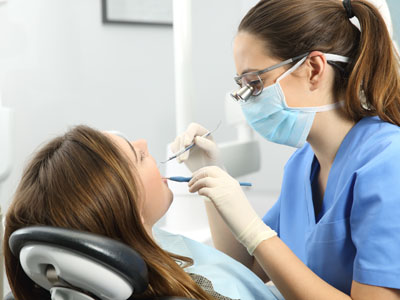
Modern cleanings use a blend of ultrasonic instruments and fine hand tools to remove both soft plaque and hardened tartar efficiently and safely. Ultrasonic scalers vibrate to break up heavy deposits while irrigating the area, and hand instruments provide tactile control to finish and smooth root and tooth surfaces. The hygienist then polishes teeth to lift superficial stains and smooth rough areas where bacteria can collect.
After polishing, many practices apply topical fluoride or a remineralizing treatment when appropriate to strengthen enamel for patients at higher risk of decay. The hygienist also measures pocket depths, checks for signs of inflammation, and reviews any findings with the dentist as needed. Each step is tailored for comfort and clinical effectiveness so patients can leave with a cleaner mouth and a clear action plan.
Most routine cleanings are comfortable and well-tolerated, though some patients experience sensitivity during or after treatment, especially if gums are inflamed or enamel is thin. Hygienists adapt technique to individual comfort levels by working slowly in sensitive areas, using topical anesthetic when appropriate, and offering breaks during the procedure. Communicating concerns before and during the visit helps the team respond quickly and adjust care.
For patients with chronic sensitivity, the hygienist can apply desensitizing agents, recommend specific toothpaste formulations, or suggest in-office treatments that reduce nerve response. Improving gum health through consistent cleanings and better home care also decreases sensitivity over time by reducing inflammation and covering exposed root surfaces. Ongoing monitoring ensures sensitivity is addressed as part of a comprehensive preventive plan.
Cleansings remove the bacterial reservoirs that cause gingivitis and, if left untreated, can progress to periodontitis by damaging the tissues that support teeth. By eliminating plaque and tartar above and just below the gumline, professional cleanings reduce inflammation and give the body a better chance to heal. Regular monitoring of pocket depths and bleeding allows the dental team to identify early changes and intervene before disease progresses.
When deeper pockets or persistent infection are present, the team may recommend a course of periodontal therapy followed by a maintenance schedule tailored to the patient’s needs. Maintenance visits focus on controlling bacterial levels and preventing reinfection through thorough scaling and reinforcement of home-care techniques. This collaborative, staged approach is the most effective way to preserve supporting tissues and maintain natural teeth.
Emerging research links chronic oral inflammation to systemic health concerns, and controlling oral bacteria and inflammation contributes to overall well-being. Regular cleanings reduce bacterial loads and gum inflammation, which helps lower the chronic inflammatory burden that can affect other parts of the body. While cleanings are not a cure for systemic disease, they are an important part of a broader strategy to support long-term health.
Hygienists and dentists also watch for oral signs that can reflect systemic conditions, such as unusual tissue changes, persistent dry mouth, or patterns of rapid decay that may warrant medical follow-up. Communication between dental and medical providers can improve patient outcomes when oral findings suggest wider health issues. Maintaining routine preventive care is a simple, proactive step toward a healthier body as well as a healthier mouth.
Preparing for a cleaning is straightforward: arrive with a complete list of current medications, any recent medical updates, and questions you want to ask the dental team. If you have new restorations, braces, implants, or a history of periodontal therapy, mention these so the hygienist can plan the appointment accordingly. Good communication about health conditions and past dental experiences helps tailor care to your needs.
On the day of your visit, continue normal home care—brushing and flossing before the appointment helps make the visit more efficient and effective. If you experience oral pain, bleeding, or swelling before the visit, notify the office so they can prioritize any urgent concerns. Bringing a list of oral-care products you use can also help the hygienist recommend alternatives or improvements.
Certain populations require tailored approaches: children benefit from early, gentle cleanings and education to build lifelong habits, while seniors may need adjustments for dry mouth, root exposure, or complex restorative work. Patients with braces, bridges, or implants often require additional time and specific tools to clean around appliances and maintain healthy tissues. The hygienist adapts technique and product recommendations to suit developmental stage, prosthetic materials, and individual risk.
For implant care, clinicians focus on cleaning the interface between implant components and surrounding tissue with instruments safe for implant surfaces and on teaching patients effective home-care strategies. Likewise, children receive age-appropriate instruction and positive reinforcement to encourage compliance. These population-specific practices help ensure preventive care remains effective across the lifespan.
After more intensive periodontal therapy, a structured follow-up plan is essential to monitor healing, measure pocket depths, and maintain infection control. Initial follow-up visits typically occur more frequently so the dental team can confirm that pockets are responding, bleeding has decreased, and home-care routines are effective. These maintenance visits often include targeted cleaning in areas that are prone to reinfection and reinforcement of brushing and interdental techniques.
Long-term maintenance intervals are personalized based on response to treatment, with some patients returning every three months and others following a longer schedule when stability is achieved. Ongoing communication about comfort, changes in health, or new restorations helps the team adjust care promptly. Consistent adherence to the recommended maintenance plan is the most reliable way to preserve treatment gains.
Our Lake Worth team prioritizes individualized care by combining modern instrumentation with evidence-based protocols and patient education to create practical, achievable plans. Hygienists assess each patient’s risk factors, existing restorations, and lifestyle to recommend an appropriate cleaning interval and home-care strategies that fit daily routines. The goal is to make prevention straightforward and sustainable rather than overwhelming.
During every cleaning we explain findings, demonstrate targeted brushing and interdental techniques, and suggest products when indicated to support measurable improvement. Horizon Palms Family Dentistry emphasizes clear communication and follow-up so patients leave appointments with confidence and a realistic plan to protect their oral health. This collaborative approach helps families maintain healthy smiles across all stages of life.