Our Office
5909 South Congress Ave
Lake Worth, FL 33462
Existing Patients: (561) 967-6453
New Patients: (561) 203-0359
Emergency: (754) 800-1949
Fax: (561) 431-5866
Visit Us Online

When a tooth has been affected by decay or a small fracture, modern composite fillings let us rebuild form and function while keeping the appearance natural. These restorations use resin-based materials that are matched to the shade of your surrounding teeth, making the repair blend in seamlessly. The result is a durable repair that preserves chewing ability and supports a confident smile.
At the office of Horizon Palms Family Dentistry, we favor materials and techniques that reinforce the remaining tooth rather than removing more structure than necessary. Composite fillings bond to enamel and dentin, creating a secure interface that helps resist additional breakdown at the margins. That adhesive connection is a major reason tooth-colored restorations have become the preferred choice for many small- to medium-sized cavities.
Composite restorations work well for a wide range of situations — from repairing a single surface to restoring several adjacent areas — and can be used on both front and back teeth. Because the material is applied in layers, the dentist can sculpt the anatomy of the tooth to restore a comfortable bite and natural contours. That attention to detail reduces the need for later adjustments and helps the repaired tooth function more like the original.
While composites are an excellent option in many cases, every mouth is unique. During an examination we evaluate the size and location of decay, the health of surrounding tooth structure, and how a restoration fits into your overall bite. That assessment ensures the chosen restoration supports long-term health as well as appearance.
One of the biggest benefits of contemporary composite resin is its aesthetic flexibility. Technicians and dentists can precisely match color and translucency to nearby teeth, producing results that are difficult to distinguish from natural enamel. Because the material is both mercury-free and metal-free, it appeals to patients who prefer a fully tooth-colored restoration.
Beyond appearance, composites allow for more conservative tooth preparation. Because the material chemically bonds to tooth structure, less healthy enamel and dentin must be removed to achieve a reliable repair. Preserving as much natural tooth as possible helps maintain strength and reduces the likelihood of further intervention down the road.
Durability has improved substantially as adhesive systems and composite formulas have advanced. When placed correctly and maintained with solid home care and periodic dental checkups, modern composites can last many years. Their longevity depends on factors like the size and location of the filling, chewing forces, and oral hygiene habits.
For some situations — very large cavities, heavy grinders, or certain bite patterns — alternative restorative options may be recommended. Still, for the majority of routine cavities, composite fillings strike an appealing balance between strength, aesthetics, and tooth preservation.
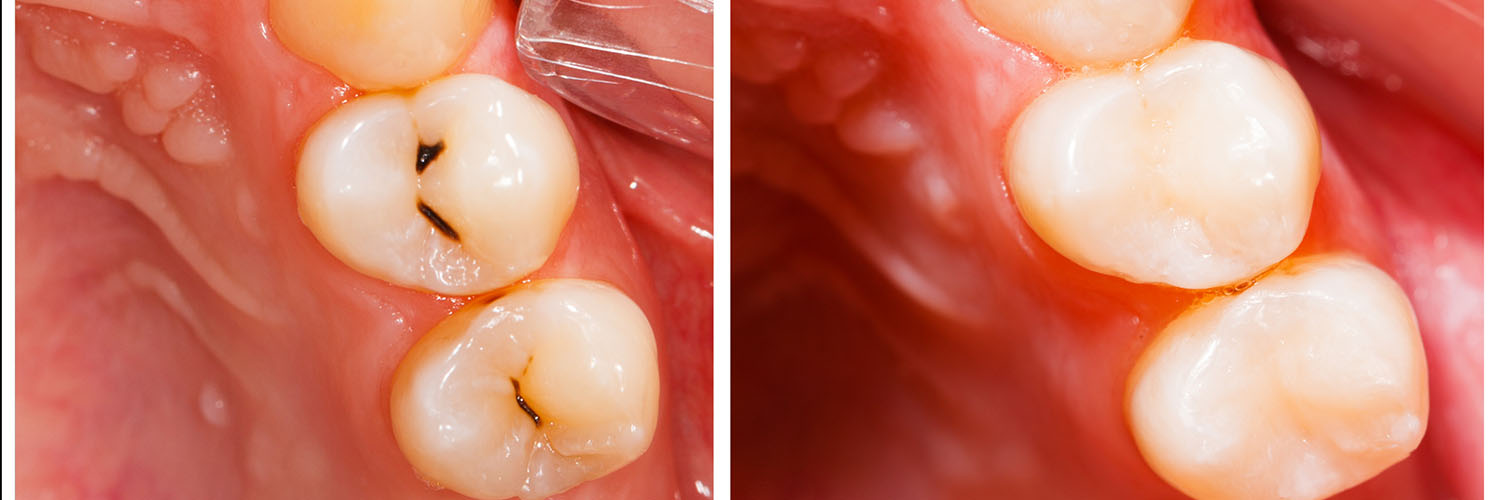
Typically, treating a cavity with a composite filling is efficient and comfortable. After a thorough exam and confirmation of the decay, local anesthesia is used to numb the area so you won’t feel the procedure. For most patients, a single visit is sufficient to complete the treatment from start to finish.
Once the tooth is numb, the decayed material is removed with precision instruments while the healthy tooth is conserved. The prepared surface is then cleaned, and a bonding system is applied to promote a strong attachment between the composite and your tooth. Composite resin is placed in thin layers, each cured with a dental light to create a stable, cohesive restoration.
After the layers are built up, the dentist shapes and trims the restoration to restore proper anatomy and ensure it fits well with opposing teeth. A final polish improves both the look and the feel of the filling. If you feel anxious about dental visits, discuss options such as sedation dentistry with your care team so they can make the experience calm and manageable.
Most patients leave the appointment able to eat and speak normally once numbness subsides. If a filling is especially large or positioned under heavy chewing forces, the dentist will discuss follow-up care and monitoring to ensure the restoration remains effective over time.
Shortly after treatment you may still have numbness from local anesthesia; avoid chewing on the treated side until normal sensation returns to prevent accidental biting of the cheek or tongue. Mild sensitivity to hot, cold, or pressure is common for several days as the tooth settles—this usually diminishes on its own.
To maximize the life of a composite filling, maintain consistent oral hygiene: brush twice daily with a fluoride toothpaste, floss daily, and attend regular dental checkups. During routine visits the dentist will examine the margins of restorations for wear, fractures, or tiny leaks where decay could begin again, and address any concerns early.
Avoid using teeth as tools or biting hard objects that can chip or crack restorations. If you grind or clench your teeth, a nightguard or other protective device may be recommended to reduce stress on fillings and reduce the chance of premature failure.
If you notice persistent pain, an unusual rough spot, or a visible gap between the filling and the tooth, contact the office so the restoration can be evaluated. Prompt attention to small changes keeps minor issues from becoming more complex problems.
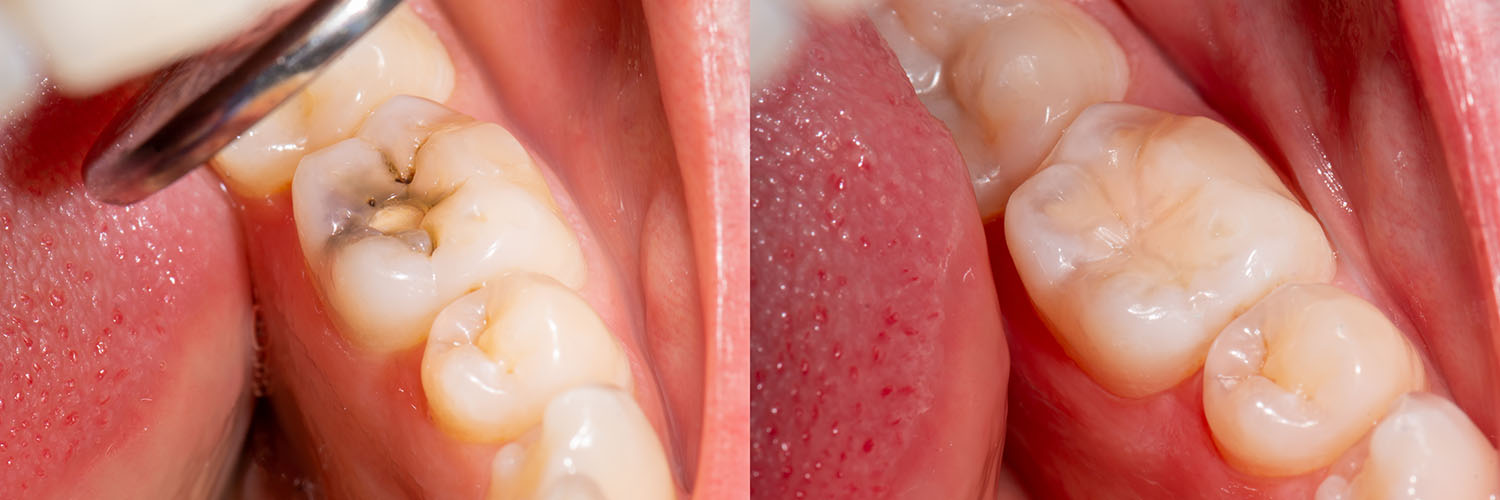
We aim to restore teeth in a way that protects natural structure and returns comfortable function. Thoughtful placement and careful finishing help a filling look good and perform well for years.
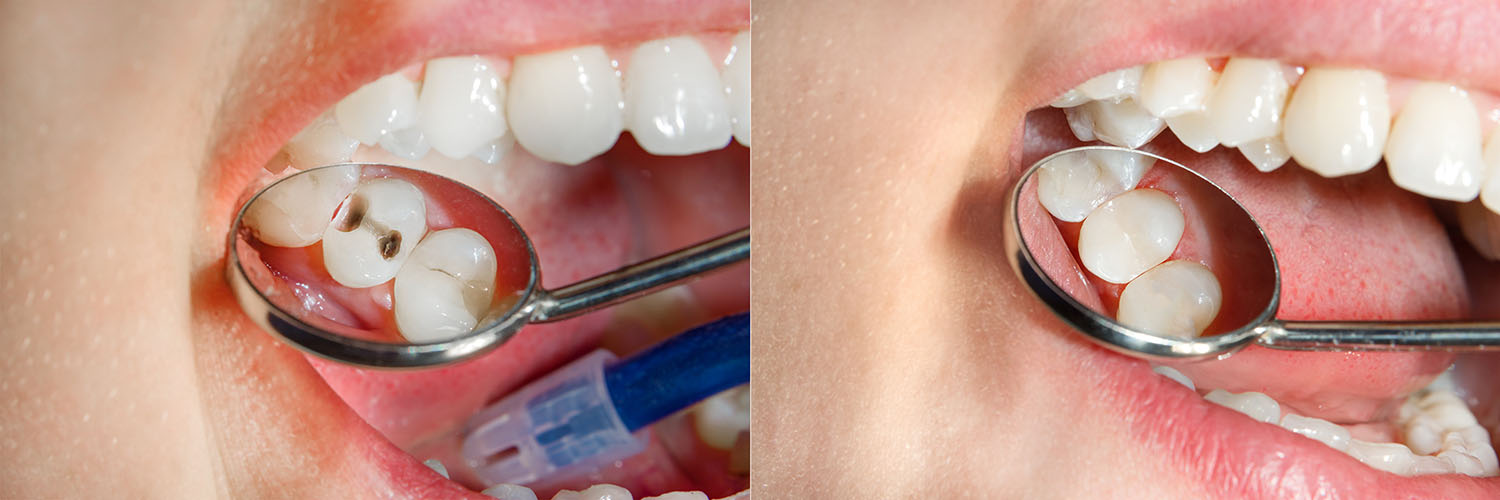
Fillings repair the immediate problem of decay, but long-term oral health is built on prevention and routine care. Regular professional cleanings, early detection of new decay, fluoride where appropriate, and habit counseling around diet and oral hygiene all work together to reduce the need for future restorations.
When decay is extensive or a tooth has structural compromise, other restorative solutions such as onlays, crowns, or root canal treatment may be the more durable choice. Your dentist will explain the options and the reasons one approach may be recommended over another so you can make an informed decision about care.
Restorations should be monitored periodically because biting forces and wear patterns change over time. Digital X-rays and visual exams during regular visits allow the team to evaluate restorations before problems become symptomatic. Replacing or upgrading a filling when needed helps prevent more invasive procedures later.
In summary, composite fillings offer a conservative, natural-looking solution for many cavities. For more information about how tooth-colored restorations might fit into your care plan, please contact Horizon Palms Family Dentistry.

Composite fillings are resin-based restorations that are matched to the shade and translucency of natural teeth. They bond chemically to enamel and dentin to create a strong interface that helps support the remaining tooth structure. Because composites are placed in layers and cured with a dental light, the dentist can rebuild tooth form with precise control over shape and contour.
These restorations restore chewing function and help maintain a natural appearance while minimizing removal of healthy tooth tissue. The adhesive bond at the margins reduces the risk of recurrent decay in many cases when combined with good oral hygiene. Modern composite formulas and adhesive systems have improved durability, making them a common choice for small- to medium-sized cavities.
Composite fillings are often recommended for small- to medium-sized cavities where tooth preservation and aesthetics are priorities. They are an excellent option for visible front teeth and for back teeth when the restoration is not subjected to extreme chewing forces. Because composites require less removal of healthy tooth structure, they are preferred when conservative treatment is important to preserve long-term strength.
In some situations, such as very large restorations, heavy grinders, or certain bite patterns, alternative restorations like onlays or crowns may be suggested for greater durability. The dentist evaluates the size and location of decay, the health of the remaining tooth, and overall occlusion to determine the best material. This individualized assessment helps ensure the restoration supports both function and long-term oral health.
During a filling appointment the tooth is first examined and X-rays may be taken to confirm the extent of decay. Local anesthesia is used to numb the area so you remain comfortable while the decayed material is removed and the cavity is prepared. The prepared surface is cleaned, a bonding system is applied, and composite resin is placed in thin layers and cured to build the restoration.
After the composite is shaped and hardened, the dentist adjusts the bite and polishes the surface to blend with the surrounding tooth. Most procedures are completed in a single visit and patients can usually eat normally once numbness subsides. If you have dental anxiety, discuss calming options with the team so your visit can be more relaxed and manageable.
After treatment avoid chewing on the treated side until normal sensation returns to prevent accidental biting of the cheek or tongue. Mild sensitivity to hot, cold, or pressure is common for a few days as the tooth adjusts and typically subsides on its own. Maintain a routine of brushing twice daily with fluoride toothpaste and flossing daily to reduce the risk of recurrent decay around the margins.
Regular dental checkups allow the dentist to monitor fillings for wear, fractures, or tiny leaks where decay can start again. Avoid using teeth as tools or biting hard objects that can chip restorations, and let your dentist know about any persistent pain or roughness. Prompt evaluation of small changes often prevents more complex problems later on.
The lifespan of a composite filling varies but many last for years when placed correctly and maintained with proper home care. Factors that influence longevity include the size and location of the filling, chewing forces, individual bite patterns, and oral hygiene habits. Regular dental recall visits help identify early signs of wear or marginal breakdown so small issues can be addressed before they worsen.
Strong biting forces, such as those from bruxism, and frequent exposure to acidic or sticky foods can accelerate wear. If a filling shows signs of fracture, leakage, or recurrent decay, the dentist may repair or replace it and discuss alternative restorative options if appropriate. Monitoring and timely maintenance help extend the functional life of restorations.
Yes, composite fillings can be used on both anterior and posterior teeth and are valued for their aesthetic match to natural enamel. For front teeth the focus is often on translucency and color matching to achieve seamless results, while back teeth require careful layering and contouring to restore biting surfaces and occlusion. The dentist sculpts the composite to recreate natural anatomy, which helps the restored tooth function comfortably within the bite.
For larger back-tooth restorations that endure heavy chewing forces, the dentist may evaluate whether an onlay or crown would provide greater durability. The decision is based on the amount of remaining healthy tooth, the location of the cavity, and the patient’s bite characteristics. Using the right restoration for the situation helps balance appearance, strength, and longevity.
Common signs that a filling may need attention include persistent or worsening sensitivity, new pain when biting, a noticeable rough spot, or a visible gap between the filling and the tooth. Dark staining at the margin, small cracks in the filling, or recurrent cavities adjacent to the restoration are other reasons to seek evaluation. Early detection allows conservative repairs rather than more invasive treatment later on.
If you notice any of these changes, contact the dental office so the restoration can be examined and appropriate steps taken. The dentist will use visual examination and digital X-rays when needed to determine whether repair, replacement, or an alternative restoration is the best option. Timely care helps prevent progression to more complex procedures.
Composite resin fillings are mercury-free and metal-free, which makes them a popular choice for patients seeking tooth-colored restorations. These materials have been studied extensively and are considered safe when placed and maintained by a trained clinician. The absence of metal also avoids potential aesthetic concerns and eliminates corrosion risks associated with some older restorative materials.
As with any dental material, proper placement and attention to isolation and bonding technique are important for a reliable outcome. If you have concerns about restorative materials or allergies, discuss them with your dentist so they can recommend appropriate options. Open communication ensures the chosen restoration aligns with your health needs and treatment goals.
Patients who grind or clench their teeth place additional stress on restorations, which can lead to increased wear, chipping, or premature failure of composite fillings. For these patients the dentist may recommend protective measures such as a custom nightguard to reduce nocturnal forces and protect both natural teeth and restorations. Addressing habit-related stressors helps prolong the life of fillings and other dental work.
Regular monitoring is important when bruxism is present so the team can spot early signs of wear and intervene when necessary. If grinding is severe, the dentist may also evaluate occlusion and consider restorations that provide greater structural support. Combining protective appliances with behavior awareness and routine care offers the best chance for long-term success.
Choosing between a filling and an alternative restoration is based on a careful clinical assessment of the tooth, including the size and location of decay, the amount of remaining healthy structure, and the patient’s bite. The dentist also considers long-term prognosis for the tooth and whether a conservative filling will provide durable function without risking further compromise. When structural loss is extensive, onlays, crowns, or root canal therapy may be recommended for more predictable long-term results.
At Horizon Palms Family Dentistry the team explains the rationale behind each option and how it fits into the patient’s overall oral health plan so patients can make informed decisions. Follow-up care and routine evaluations are part of the plan to monitor restorations over time and adjust treatment when necessary. This approach balances conservation of natural tooth structure with reliable function and longevity.