Our Office
5909 South Congress Ave
Lake Worth, FL 33462
Existing Patients: (561) 967-6453
New Patients: (561) 203-0359
Emergency: (754) 800-1949
Fax: (561) 431-5866
Visit Us Online

At Horizon Palms Family Dentistry, we focus on prevention and clear communication so every patient understands the value of a thorough oral exam. Regular checkups allow our team to find small problems before they grow and to create personalized plans that support long-term oral health. During an exam we assess teeth, gums, bite, and the tissues of the mouth and neck, combining visual inspection with targeted diagnostics to form a complete picture of your oral condition.
Your initial oral exam is an opportunity to establish a baseline for future care and to make sure your treatment goals are understood. We begin by reviewing your medical history and any medications or conditions that could affect your oral health, then move into a focused conversation about your concerns, habits, and previous dental experiences. This context helps us tailor the exam and any recommended next steps to your individual needs.
The clinical portion of the visit includes a careful examination of each tooth, the surrounding gum tissue, and the soft tissues of the mouth, lips, face, and neck. We also evaluate your bite and jaw function to identify signs of wear, clenching, or temporomandibular joint (TMJ) issues. If indicated, the dentist will recommend appropriate diagnostic images to reveal areas that cannot be seen during the visual exam.
After gathering findings, we explain what we observed in plain language and outline options for care, if any are needed. Our goal is to make sure you leave the appointment with a clear understanding of your oral health status, a plan for preventive maintenance, and answers to any questions you may have.
Patients often appreciate knowing what to bring and expect: a list of current medications, recent medical updates, and any dental records you may have. This information speeds the assessment and helps us provide more informed, coordinated care from the first visit.
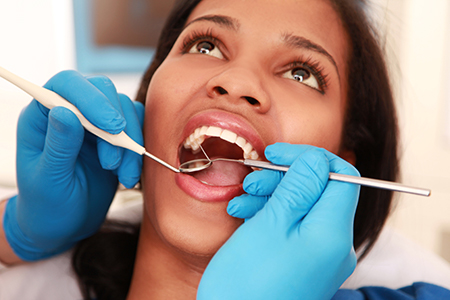
An oral exam is more than a cavity check — it’s an inspection of the mouth as a window to overall health. The tissues in and around the oral cavity can show early signs of systemic conditions or side effects from medications, such as dry mouth, ulcerations, or unusual tissue changes. Detecting these signs early gives your primary care team more opportunity to intervene and coordinate care when needed.
Regular exams also include screening for oral cancer, assessment of periodontal (gum) health, and evaluation of soft-tissue abnormalities. These checks are quick yet essential; finding abnormal tissue early significantly improves outcomes for many conditions. Our clinicians document any findings and monitor changes over time so suspicious areas are tracked and, when necessary, referred for further evaluation.
Because lifestyle, diet, and certain medical conditions can influence the mouth, a comprehensive exam also considers risk factors. We discuss habits like tobacco or heavy alcohol use, bruxism (tooth grinding), and nutrition that can accelerate oral disease, then provide practical guidance to reduce risk and protect your smile.
Children and adults alike benefit from this whole-person approach. For young patients we focus on growth and development; for older adults we pay special attention to wear patterns, restorative needs, and changes related to systemic health.

Routine exams are paired with professional cleanings and tailored preventive measures to keep disease at bay. During a cleaning, a hygienist removes plaque and hardened tartar from above and below the gumline, polishes the tooth surfaces, and applies targeted advice for improving home care. These visits help prevent cavities and gum disease before they require restorative treatment.
We generally recommend regular checkups at intervals that match each patient’s risk profile. For many people, twice-yearly visits are sufficient to maintain health; others may benefit from more frequent monitoring. The frequency is determined by the exam findings, your oral hygiene habits, and any underlying medical conditions that can affect the mouth.
Education is a core part of routine care. Our team demonstrates brushing and flossing techniques, suggests products when appropriate, and helps you build an oral hygiene routine that fits your lifestyle. Prevention also includes targeted services such as fluoride applications or sealants when indicated to protect vulnerable tooth surfaces.
Preventive care has the added benefit of minimizing the need for more invasive procedures. When disease is identified early through consistent exams and cleanings, treatments are typically simpler, less invasive, and more predictable.
Diagnostic images are an important complement to the visual exam because they reveal structures beneath the surface of the teeth and jaw. Digital radiography allows us to detect interproximal decay, evaluate root and bone health, and observe developmental or structural concerns that are not visible to the naked eye. These insights guide treatment decisions and long-term planning.
Digital x-rays reduce exposure to radiation compared with older film techniques and produce images instantly for review. Images can be enhanced, compared over time, and shared with specialists when multidisciplinary care is needed. When detailed information is required for complex cases, three-dimensional imaging can provide a precise view of anatomy and spatial relationships.
We use imaging judiciously, recommending only the views necessary to answer clinical questions and monitor areas of concern. Images become part of your permanent record, enabling side-by-side comparisons at future visits so subtle changes can be detected and addressed promptly.
All imaging choices are made with patient safety and clinical value in mind, and our team will explain why a particular type of radiograph is being recommended during your visit.
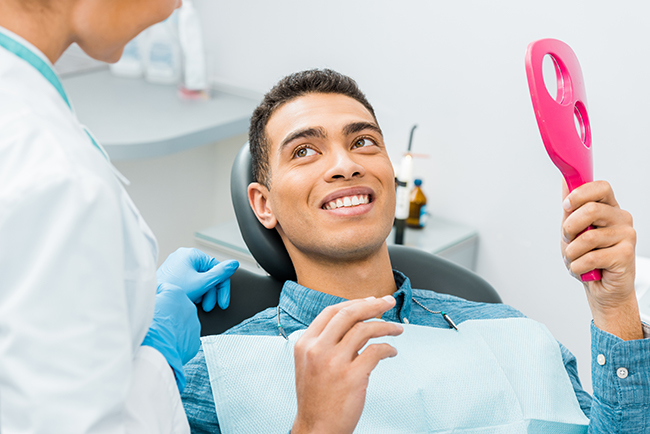
Different types of dental images serve different diagnostic purposes. A periapical radiograph focuses on one or two teeth and the surrounding bone, making it useful for evaluating root health, infections, and the bone support around a specific tooth. Bitewing films concentrate on the crowns of the back teeth and are especially effective at revealing early decay between teeth.
A full-mouth series provides a comprehensive set of periapical and bitewing images to evaluate all teeth and the supporting structures. Panoramic films give a single broad view of the jaws, tooth development, and the position of impacted or unerupted teeth, which is helpful for surgical planning and assessing overall jaw health.
In select cases, cone-beam computed tomography (CBCT) may be used to generate three-dimensional images that are invaluable for implant planning, complex endodontic assessments, or evaluating anatomical relationships prior to surgery. These advanced images offer a level of detail that improves precision in diagnosis and treatment planning.
When imaging is part of your exam, we’ll describe what the image can reveal and how it influences your care. Our aim is to use technology in a way that adds clarity to your diagnosis and confidence to your treatment plan.
Oral exams are the foundation of lasting dental health — they allow us to detect problems early, protect healthy tissues, and tailor care to each patient's circumstances. If you would like to learn more about what to expect during an oral exam at Horizon Palms Family Dentistry or have questions about scheduling, please contact us for more information.

At Horizon Palms Family Dentistry, a routine oral exam is a systematic review of your mouth, gums, bite and related tissues to establish current health and future needs. The clinician performs a visual inspection and palpation of soft tissues, evaluates each tooth for signs of decay or damage, and assesses gum health for inflammation or pockets. Findings are combined with your medical history and any available imaging to form a clear snapshot of oral health.
After the clinical assessment we explain what was observed in plain language and recommend preventive steps or next actions when needed. This visit is also an opportunity to review habits, medications and systemic health factors that can influence oral conditions. Our goal is to leave you with an understandable plan that supports long-term oral health and comfort.
Your first comprehensive exam establishes a baseline and begins with a review of your medical history, medications and previous dental experiences so care is tailored to your needs. We ask about your concerns and habits, then perform a thorough clinical evaluation of teeth, gums, bite, jaw function and the soft tissues of the mouth, face and neck. If indicated, we obtain diagnostic images to view areas that cannot be seen visually.
Once the assessment is complete, the dentist reviews the findings, answers your questions, and outlines recommended next steps using clear language. This discussion includes preventive strategies and any follow-up care that may be appropriate based on exam results. You should leave the appointment with a written or verbal plan and guidance for home care and scheduling.
The frequency of oral exams depends on your individual risk profile, oral hygiene, medical conditions and previous dental findings rather than a one-size-fits-all rule. Many patients benefit from twice-yearly visits to maintain health and catch problems early, while others with higher risk for decay or gum disease may need more frequent monitoring. Your clinician will recommend an interval that balances prevention with careful monitoring of any areas of concern.
Regular exams create a record that allows the team to detect subtle changes over time and intervene earlier when necessary. Keeping scheduled appointments and following home-care recommendations reduces the chance of more complex treatment later. If your health status changes, we may adjust the exam cadence to ensure proper oversight.
Oral cancer screening is an essential part of a comprehensive exam and includes a visual inspection and palpation of the lips, tongue, floor of mouth, cheeks, throat and neck for lumps, discoloration, or unusual textures. Clinicians look for persistent sores, red or white patches, unexplained lumps or areas that bleed easily, and they document any findings for comparison at future visits. When an abnormal area is identified, we monitor changes closely and recommend prompt referral or biopsy when clinically appropriate.
Early detection greatly improves outcomes, so we encourage patients to report any persistent oral changes between visits. We also discuss risk factors such as tobacco and alcohol use and provide guidance on how to reduce those risks. Screening is quick, noninvasive and an important step in protecting overall health.
Imaging complements the visual exam by revealing structures beneath the tooth surface and within the jaw that cannot be seen directly. Common images include bitewing radiographs to detect early decay between teeth, periapical films to evaluate individual tooth roots and surrounding bone, and panoramic views to assess overall jaw development and impacted or unerupted teeth. In select cases, three-dimensional cone-beam CT (CBCT) imaging provides detailed anatomical information for complex planning such as implant placement or surgical assessment.
Digital radiography is used to minimize radiation exposure while producing high-quality images instantly for review. Images are saved in your record for side-by-side comparison at future visits so small changes can be tracked over time. We recommend only the views necessary to answer clinical questions and will explain the reason for any imaging during your visit.
The mouth often reflects systemic health and certain medical conditions or medications can produce oral signs such as dry mouth, ulcers, unusual tissue changes or an increased risk of infection. During the exam we consider these possibilities by reviewing your medical history and looking for patterns that suggest broader health concerns. When appropriate, we document findings and coordinate with your medical providers to ensure comprehensive care.
Recognizing oral manifestations of systemic disease allows for earlier intervention and better long-term outcomes, so open communication about medications, chronic conditions and recent health changes is important. Our team treats the mouth as part of the whole person and offers practical guidance to reduce oral risk factors tied to general health. If we identify a suspicious sign, we provide clear next steps for monitoring or referral.
Preparation helps the exam proceed efficiently and ensures the clinician has the context needed to provide personalized care, so bring a list of current medications, recent medical updates and any dental records you have. Prepare questions or concerns you want to discuss and let us know about symptoms such as pain, bleeding or changes in bite. There is usually no special fasting or preparation required for a standard exam.
Arriving a few minutes early to complete any necessary forms and to update your medical information is helpful, especially for first visits. Good communication about habits like tobacco use, grinding or unusual diet patterns allows the team to address root causes and offer targeted prevention. Clear documentation from the start improves coordination and leads to more effective care.
If the exam identifies issues that require treatment, your clinician will explain the findings and present appropriate options in straightforward terms so you can make an informed decision. The team outlines the purpose of each recommendation, what to expect during treatment, and how proposed care fits into your long-term oral health goals. Preventive actions and home-care changes are emphasized to reduce the need for more invasive procedures in the future.
Scheduling follow-up visits or referrals is coordinated based on clinical urgency and your personal needs, and the care plan is adjusted as conditions change. We document findings and track outcomes at subsequent appointments to ensure progress and to catch any new concerns early. Open discussion and clear next steps help patients feel confident about their care pathway.
Yes. For children, exams focus on growth and development, eruption patterns, preventive measures like fluoride or sealants, and education to establish healthy habits early. Clinicians assess jaw development, space for incoming teeth, and behavior that may affect dental health, tailoring guidance to developmental stages. Early, gentle exams build familiarity and make ongoing care more comfortable for young patients.
For older adults, exams emphasize wear patterns, restorative needs, gum health and changes related to systemic conditions or medications that affect the mouth. We pay attention to dry mouth, recurrent decay around restorations, and denture fit or function when relevant. Care plans for older patients often balance restorative goals with preventive strategies to maintain function and quality of life.
You should schedule an urgent exam if you experience persistent or severe tooth pain, swelling, unexplained bleeding, a new lump or sore that does not heal, or recent oral trauma. These signs can indicate infection, injury or other conditions that benefit from prompt evaluation to prevent complications. Timely assessment allows the team to address pain, reduce progression of disease and determine whether immediate treatment or monitoring is appropriate.
If you notice sudden changes in bite, difficulty opening or closing the jaw, or a lesion that rapidly changes in appearance, contact the office for an evaluation rather than waiting for a routine appointment. Early attention can simplify treatment and improve outcomes, and our team can advise you on immediate steps to protect your comfort and oral health. If you have questions about symptoms, explaining them clearly when you call helps prioritize care effectively.