Our Office
5909 South Congress Ave
Lake Worth, FL 33462
Existing Patients: (561) 967-6453
New Patients: (561) 203-0359
Emergency: (754) 800-1949
Fax: (561) 431-5866
Visit Us Online

At Horizon Palms Family Dentistry, we focus on guiding children toward healthy, confident smiles that last a lifetime. Our approach blends careful clinical assessment with age-appropriate communication so kids feel safe and parents feel informed. From a child’s very first visit through the teenage years, we emphasize prevention, growth monitoring, and practical habits that support oral health at every stage.

Good oral health begins long before permanent teeth appear. We focus on establishing positive dental experiences early so children learn that dental care is a normal, non-threatening part of life. A calm, friendly setting combined with clear explanations helps reduce anxiety and encourage cooperation, which makes future exams and treatments smoother for both children and caregivers.
Our team uses techniques tailored to developmental stages — from distraction and simple demonstrations for toddlers to collaborative explanations for older children. We prioritize patience and clear communication, helping young patients understand what to expect while supporting parents with straightforward guidance. This foundation builds trust and sets the stage for consistent home care and regular dental visits.
Prevention is the cornerstone of our philosophy: routine cleanings, fluoride when appropriate, and targeted education about brushing and flossing keep decay and other problems at bay. When issues do arise, early detection allows for conservative treatment that protects developing teeth and preserves natural function and appearance whenever possible.
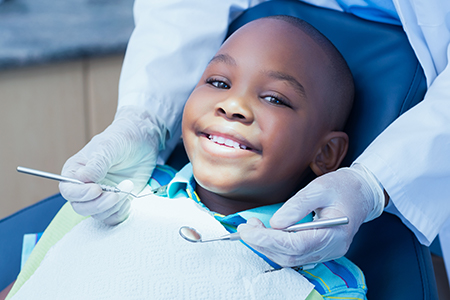
Preventive visits give us the opportunity to look for early warning signs and to intervene before a small problem becomes more complex. During a typical checkup we assess the teeth, gums, and bite, remove plaque and tartar with a professional cleaning, and advise on home-care techniques suited to your child’s age and dexterity. Cleanings are both practical and educational — a chance to reinforce brushing and flossing skills.
Digital radiographs are used selectively and only when they add value to diagnosis or treatment planning. These low-dose images help reveal decay between teeth, check root development, and evaluate the position of erupting permanent teeth. We explain the purpose of each image and use modern equipment to minimize exposure while maximizing diagnostic benefit.
In addition to routine exams and cleanings, preventive options such as fluoride treatments and dental sealants can offer added protection for vulnerable surfaces. We discuss these choices with parents, outlining the benefits and how they fit with your child’s individual risk profile so you can make informed decisions together with the dental team.
Consistent dental exams allow us to track your child’s oral development over time and catch issues that might otherwise go unnoticed. From early enamel changes to bite shifts, small findings can guide timely interventions—reducing the need for more involved care later. Routine visits also reinforce healthy habits and make the dental office familiar and comfortable.
A thorough pediatric exam covers more than cavities. We examine gum health, tooth alignment, jaw growth, and oral function such as chewing and swallowing. For young children we also evaluate habits that can affect dental development, like prolonged pacifier use or thumb sucking, and offer practical strategies to address them in a supportive, age-appropriate way.
When restorative care is necessary, our team focuses on minimally invasive options that preserve tooth structure and reduce discomfort. We tailor treatment plans to each child’s medical history, anxiety level, and developmental needs, and we explain procedures in plain language so families know what to expect. Comfort, safety, and successful outcomes guide our decision-making.
We also prepare families for transitions — such as the arrival of permanent teeth or the introduction of orthodontic care — by outlining signs to watch for and when to seek a specialist opinion. Monitoring growth patterns early helps identify whether interventions like space maintainers or early orthodontic assessments might be beneficial down the line.
Tooth decay remains one of the most common childhood conditions, but it is largely preventable. Regular brushing with fluoride toothpaste, limited sugary snacks and drinks, and timely dental visits dramatically lower the risk. We provide hands-on demonstrations and family-centered advice to help make oral hygiene realistic and effective for busy households.
Establishing a dental home early so children become comfortable with routine care
Keeping baby and toddler teeth clean with gentle wipes or an infant toothbrush
Replacing bedtime bottles of milk or juice with water to protect emerging teeth
Scheduling regular checkups and cleanings to catch problems early
Modeling and encouraging consistent brushing and flossing to make it a family habit
Choosing nutrient-rich snacks and limiting sticky, sugary treats and drinks
Gently guiding children to stop prolonged pacifier or thumb habits at appropriate ages
Using a properly fitted mouthguard during contact or high-impact sports to prevent injury

Baby teeth begin forming before birth and usually start to appear between about six and twelve months. These first teeth are essential for chewing, speech development, and holding space for the permanent teeth. Establishing gentle cleaning routines and early dental visits helps protect these teeth and supports healthy developmental milestones.
Teething can be uncomfortable, and parents often ask how to help. Simple, safe measures such as a cool teething ring or massaging a baby’s gums with clean, damp gauze can ease irritation. If you have concerns about an unusual pattern of eruption, fever, or persistent symptoms, our team is available to evaluate and recommend appropriate steps.
Because primary teeth serve as placeholders for adult teeth, preventing early loss from decay or injury is important. When a primary tooth is lost prematurely, we may discuss options like space maintainers to preserve the alignment and development of the permanent successors, helping avoid crowding or alignment problems later.
A balanced diet rich in vitamins and minerals supports strong teeth and healthy gums. We work with parents to identify snacks and habits that protect oral health while still fitting family routines. Limiting frequent sugary exposures, encouraging water, and choosing tooth-friendly snacks can make a meaningful difference in a child’s dental trajectory.
As children enter organized sports, mouthguards become an important line of protection against dental injury. A custom-fitted mouthguard can reduce the risk of fractured or avulsed teeth and shield soft tissues from impact. We advise families on the right type of guard for their child’s sport and participation level.
Monitoring growth and alignment allows timely conversations about orthodontic needs. Many alignment concerns can be identified in early childhood, and early evaluation helps determine the best timing for referral or intervention. We coordinate care with orthodontic specialists when appropriate to support efficient, long-term outcomes.
In summary, thoughtful pediatric dental care combines prevention, development-focused exams, and clear family guidance to support healthy oral growth from infancy through adolescence. Our practice is dedicated to working alongside families to build good habits, protect teeth, and address concerns promptly. Contact us for more information or to discuss how we can help your child maintain a healthy, confident smile.

Your child should have their first dental visit by their first birthday or within six months after the first tooth appears. Early visits help the dental team evaluate eruption patterns, screen for early decay, and establish a positive relationship with oral care. These appointments are also an opportunity for parents to learn safe cleaning techniques and feeding habits that support healthy teeth.
At Horizon Palms Family Dentistry, our goal during a first visit is to make the experience calm and informative for both children and caregivers. We perform a gentle exam, answer questions about teething and daily care, and outline a plan for routine checkups. Building this foundation early helps prevent problems and makes future visits easier for the whole family.
A pediatric dental checkup includes a visual exam of the teeth, gums, and bite, plus a discussion of your child’s oral habits and diet. The clinician will remove plaque and teach age-appropriate brushing and flossing techniques while watching how well your child tolerates care. Regular exams also let us track tooth development and identify issues like early enamel changes or bite concerns.
Cleanings in children are both preventive and educational, reinforcing habits parents can use at home. When indicated, we may apply topical fluoride or discuss sealants to protect chewing surfaces. Throughout the visit, our team focuses on gentle communication to reduce anxiety and encourage cooperation.
Topical fluoride helps strengthen enamel and makes teeth more resistant to acid attacks that cause decay, while sealants create a physical barrier over deep grooves on back teeth. Both measures are preventive and are recommended based on each child’s individual risk for cavities. These treatments are quick to apply in the office and can substantially reduce the likelihood of decay on vulnerable surfaces.
We discuss benefits and appropriateness of fluoride and sealants with parents so you can make informed decisions for your child. Application is safe when done according to professional guidelines and in the right clinical context. Ongoing maintenance with good home care enhances the long-term effectiveness of these preventive steps.
Dental X-rays for children are used selectively and only when the images will influence diagnosis or treatment planning, such as detecting decay between teeth or evaluating root and tooth development. Modern digital radiography produces very low radiation doses, and our equipment and techniques are chosen to minimize exposure while maximizing diagnostic value. Protective measures, like lead aprons, are used as an added precaution during imaging.
Frequency of X-rays depends on your child’s risk for disease, age, and clinical findings during exams. We explain the reason for each image and discuss any concerns parents may have before taking radiographs. Careful use of X-rays helps catch hidden problems early and supports conservative treatment decisions.
Teething discomfort is common and can often be eased with simple measures such as chilled teething rings, gentle gum massage with clean hands or gauze, and offering cool foods for older infants. Avoid topical medications or numbing agents unless specifically recommended by a clinician, and monitor for normal symptoms like drooling and mild irritability. Keeping a predictable routine and offering comfort can help both babies and caregivers through this stage.
Contact the dental office if your child has prolonged high fever, severe swelling, difficulty breathing or feeding, or if eruption seems unusually delayed or asymmetrical. These signs may indicate an infection or other condition that needs professional evaluation. Prompt assessment ensures timely guidance and peace of mind for families.
Consistent brushing twice a day with an age-appropriate toothbrush and a smear or pea-sized amount of fluoride toothpaste (according to current guidelines) is foundational for preventing decay. Limit frequent sugary snacks and drinks, replace bedtime bottles of milk or juice with water, and encourage balanced, tooth-friendly foods. Modeling good habits and making oral care part of a daily routine increases the likelihood that children will adopt healthy practices long term.
Regular dental visits enable the team to reinforce home-care techniques and tailor advice to your child’s developmental stage and dexterity. For infants, wiping gums and cleaning erupting teeth with a soft cloth or infant brush helps remove bacteria and establish positive habits. Addressing habits like prolonged pacifier use or thumb sucking early can also protect dental development.
Children can begin using a smear of fluoride toothpaste as soon as the first tooth appears, with the amount increasing to a pea-sized dollop around age three, depending on guidance from your dental team. Supervision is important until a child can spit reliably and understands not to swallow toothpaste, typically around ages six to eight. Fluoride use should match your child’s risk level and follow professional recommendations to balance benefits and safety.
Flossing should start when two teeth touch, which often occurs in the toddler years, but parents will usually need to floss for young children until they develop the manual dexterity to do it well themselves. Introducing flossing early helps establish the habit and prevents decay between teeth. Your dental team can show efficient techniques and recommend tools that make flossing easier for both parents and children.
When anxiety is more significant, we discuss strategies with parents, such as gradual acclimation visits, parental presence policies, and behavioral guidance techniques to support successful care. For children with special needs or high dental fear, we coordinate closely with caregivers to create individualized plans that emphasize safety and comfort. The goal is to create positive early experiences that encourage lifelong preventive habits and reduce barriers to care.
Children who participate in organized sports or high-impact activities should wear a mouthguard to protect against dental injuries, and the need often begins as soon as they start contact play. Custom-fitted mouthguards made by a dental office offer the best protection, comfort, and retention compared with generic stock or boil-and-bite options. A properly fitted guard reduces the risk of tooth fractures, avulsions, and soft-tissue injuries during play.
We can advise on the right type of mouthguard based on your child’s sport, age, and whether they are already undergoing orthodontic treatment. Regular checks ensure the guard still fits as teeth erupt and grow, and replacements are recommended when wear or growth changes compromise protection. Prioritizing mouth protection helps maintain healthy smiles while children stay active.
Monitoring jaw growth, tooth eruption patterns, and alignment during routine pediatric visits allows us to identify early signs that may benefit from orthodontic assessment. We watch for crowding, significant bite discrepancies, early loss of primary teeth, and habits that can influence growth, such as prolonged thumb sucking. Early detection does not always mean immediate treatment, but it helps determine the best timing for specialist consultation when needed.
When findings suggest a potential need for orthodontic intervention, we discuss the reasons for referral and coordinate care with orthodontic specialists to plan timely, efficient treatment. Our goal is to support long-term function and esthetics while preserving healthy development. Families receive clear guidance on signs to observe and expected next steps when an evaluation is recommended.