Our Office
5909 South Congress Ave
Lake Worth, FL 33462
Existing Patients: (561) 967-6453
New Patients: (561) 203-0359
Emergency: (754) 800-1949
Fax: (561) 431-5866
Visit Us Online

Every season, athletes at every level accept a certain amount of physical risk — but dental injuries shouldn’t have to be part of the game. Sports-related trauma frequently leads to chipped or knocked-out teeth, soft tissue lacerations, jaw injuries, and costly restorative work. Beyond the immediate pain and disruption, these injuries can have long-term consequences for chewing, speech, and self-confidence.
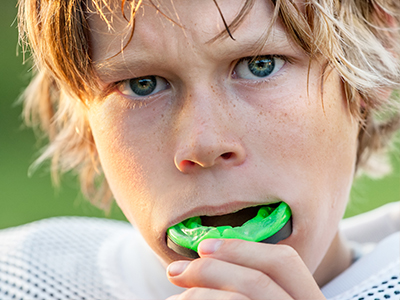
Mouthguards act as a first line of defense by absorbing and redistributing forces that would otherwise be concentrated on teeth and surrounding tissues. They are particularly important for contact sports and any activity where falls or collisions are possible, but they also offer measurable protection in non-contact sports where projectiles like balls, pucks, or sticks are involved. For parents, coaches, and adult players alike, a properly fitted mouthguard is a simple, proven way to reduce the chance of serious oral injury.
Prevention through protective equipment is a small commitment compared with the time and complexity required to repair dental damage. For patient safety and peace of mind, dental professionals encourage incorporating mouthguard use into routine training and competition habits — just as you would use a helmet or pads for other types of protection.
Mouthguards work by cushioning the impact between the upper and lower teeth and by dispersing force away from vulnerable areas. A well-designed mouthguard creates a shock-absorbing layer that lessens the chance of fractures, dislocations, and soft tissue injuries to the lips, cheeks, and tongue. It also helps stabilize the jaw and can reduce the severity of certain jaw-related injuries.
Materials and construction matter: mouthguards made from medical-grade thermoplastics or silicone-like polymers are flexible enough to absorb energy yet resilient enough to maintain a protective shape under stress. The thickness, fit, and coverage all influence how effectively a guard performs. For example, a guard that fits closely and remains stable during play will provide more consistent protection than one that slips or requires constant adjustment.
Beyond immediate injury prevention, mouthguards can reduce the risk of cumulative damage from repeated impacts. For athletes involved in contact sports over many seasons, consistent use of a mouthguard can help maintain oral health and limit the need for restorative procedures later in life.
There are three common categories of sports mouthguards: stock, boil-and-bite, and custom-made. Stock mouthguards are pre-formed and come ready to wear, but because they are not molded to the individual, they often fit poorly and may interfere with breathing or speech. Boil-and-bite guards offer a better fit than stock models because the material softens in hot water and can be shaped around the teeth, though the results depend on careful molding and do not always achieve a precise fit.
Custom mouthguards are crafted by dental professionals from impressions of the athlete’s mouth. These provide the best combination of fit, comfort, and protection because they are tailored to the contours of the teeth and gums. Custom guards sit securely, allow for better breathing and communication, and are easier to keep in place during high-movement activity. For athletes who require optimal performance and safety, a custom guard is the preferred choice.
Each option has trade-offs in convenience, protection, and comfort. The right selection depends on the sport, the athlete’s age and dental situation, and how often the guard will be used. A dental consultation can clarify which type is most appropriate for an individual athlete.
Athletes with braces, crowns, implants, or other dental work need specialized attention when selecting a mouthguard. Brackets and wires can cause additional soft-tissue injury during an impact, so a mouthguard that provides increased coverage and stability is often necessary. Additionally, growing mouths require periodic reassessment and refitting to account for changes in tooth position and jaw size.
For children and teens, properly fitted protection is especially important. Youth athletes may be more prone to accidental impacts during play, and their developing teeth and jaws can be vulnerable to long-term damage. Pediatric-minded mouthguard options and routine follow-up checks help ensure the appliance continues to fit and protect as they grow.
When dental restorations or orthodontic appliances are present, a dental professional can recommend or fabricate a mouthguard that accommodates those features. This tailored approach minimizes the risk of damage to both the natural teeth and any dental work while providing the athlete with a comfortable, secure fit.
Choosing the best mouthguard starts with fit and comfort. A guard should stay in place without constant effort, allow for comfortable breathing and speaking, and feel secure during movement. For many athletes, a comfortable mouthguard increases the likelihood of consistent use; conversely, an ill-fitting guard is often abandoned mid-game and offers little protection.
Care and maintenance are straightforward but important. Rinse and gently clean the mouthguard after each use, allow it to air dry, and store it in a ventilated container to prevent bacterial growth. Inspect the guard regularly for tears or deformation and replace it if the fit changes or damage appears. Avoid leaving a mouthguard in direct sunlight or near heat sources, as this can warp the material.
For athletes seeking the highest level of protection and the best fit, consider consulting with a dental professional. A custom mouthguard fabricated from an accurate impression provides superior protection, durability, and comfort. Our team at Horizon Palms Family Dentistry can evaluate your needs, discuss material and design options, and create a mouthguard tailored to your sport and dental anatomy. Regular check-ups ensure the guard continues to perform as intended.
In summary, sports mouthguards are an essential piece of safety equipment for athletes of all ages. They reduce the risk of dental and facial injuries, protect dental work, and support long-term oral health. If you’d like more information about mouthguard options or want to schedule a consultation to determine the best fit for your needs, please contact us for more information.
A sports mouthguard is a protective appliance worn over the teeth and gums to absorb and disperse impact forces that would otherwise concentrate on teeth, soft tissues, and the jaw. By creating a shock-absorbing layer between the upper and lower arches, a properly fitted guard reduces the risk of chipped, broken, or knocked-out teeth and limits soft-tissue lacerations to the lips, cheeks, and tongue. Mouthguards also help stabilize the jaw during collisions, which can reduce the likelihood of certain dental and jaw injuries.
While mouthguards cannot prevent every type of facial injury, they are a proven first line of defense that significantly lowers the severity and frequency of many common sports-related dental traumas. For athletes who play contact sports or activities with projectiles, consistent use of a mouthguard is a simple, effective way to protect long-term oral health and avoid complex restorative procedures later on. Choosing the right type and fit increases comfort and the likelihood that the device will be used consistently during play.
Stock mouthguards come pre-formed and are ready to wear but typically offer the least effective protection because they are not tailored to the athlete’s mouth. Boil-and-bite guards improve fit by allowing the user to soften the material in hot water and mold it to their teeth, providing better retention than stock models though results vary with the molding technique. Custom mouthguards are made from dental impressions taken by a dental professional and provide the most precise fit, optimal coverage, and superior comfort and stability during vigorous activity.
The choice among these options depends on factors such as the level of contact in the sport, frequency of use, and any existing dental work or orthodontics. Athletes who need reliable protection, better breathing and communication, or a device that accommodates braces often benefit most from a custom appliance. A dental consultation clarifies which type best balances protection, comfort, and practicality for an individual athlete.
Custom mouthguards are typically worth the investment for athletes who require consistent, high-performance protection because they are fabricated to the exact contours of the individual’s mouth. This precise fit improves retention and reduces slippage, which enhances both protection and comfort and makes it easier to breathe and communicate while wearing the device. Custom guards also accommodate dental restorations and orthodontic appliances, minimizing the chance of damage to crowns, implants, or brackets.
For occasional recreational players or situations where cost and convenience dictate, a well-fitted boil-and-bite guard can offer reasonable protection if molded carefully and replaced when it shows wear. However, for competitive athletes, youth players with developing dentition, or anyone with dental work that increases injury risk, a custom guard provides the most reliable combination of fit, durability, and long-term oral health protection. A dental professional can recommend the best option based on the athlete’s needs and dental status.
A properly fitting mouthguard should seat comfortably over the teeth without requiring the wearer to bite down constantly to keep it in place, and it should allow easy breathing and speech. It should cover the biting surfaces and extend to the molars for adequate protection while maintaining a stable position during movement. If the guard shifts, causes persistent gagging, creates pressure points, or interferes with breathing, those are signs it may not fit correctly.
Routine checks are important: inspect the guard for tears, thinning, or distortion and assess how it feels during practice and play. Any change in fit after dental treatment, tooth movement, or growth—particularly in children and teens—warrants professional reassessment and possible refitting. A dental visit can identify fit issues and, if necessary, provide adjustments or recommend a replacement to restore effective protection.
Athletes with braces should wear a mouthguard because brackets and wires increase the risk of soft-tissue injury during impact and can be damaged by blows to the mouth. A custom mouthguard designed to accommodate orthodontic appliances offers the best protection because it can be fabricated with additional space and cushioning to protect both the braces and the surrounding soft tissues. Boil-and-bite guards may be used as a temporary option, but they must be carefully molded and often need to be refitted as teeth move.
Regular follow-up with a dental professional or orthodontist is essential while wearing braces, since tooth movement can change how a guard fits over time. Pediatric-minded designs and periodic adjustments help ensure continued safety and comfort throughout treatment. Discussing mouthguard needs early in orthodontic care allows the dental team to recommend or fabricate an appliance that balances protection with the requirements of ongoing treatment.
Proper cleaning and storage extend the life of a mouthguard and reduce bacterial buildup that can affect oral health. After each use, rinse the guard with cool water and gently brush it with a toothbrush and nonabrasive toothpaste or mild soap, then allow it to air dry completely before storing. Avoid using very hot water, harsh chemicals, or household cleaners that can degrade the material and alter the fit.
Store the mouthguard in a ventilated container to protect it from contamination while preventing moisture accumulation that promotes bacterial growth. Inspect the device regularly for signs of wear, such as cracks, deep creases, or permanent distortion, and replace it if the fit changes or damage appears. Proper care maintains hygiene and helps the guard perform as intended during athletic activity.
Mouthguards should be replaced when they show visible signs of wear, damage, or permanent deformation, or when they no longer fit securely and comfortably. Common indicators that replacement is needed include tears, thinning in high-stress areas, persistent odors that cannot be removed with cleaning, and any change in fit after dental work or tooth movement. Children and adolescents typically require more frequent replacement due to growth and dental development.
Even if a guard appears intact, consider replacement after several seasons of heavy use, or sooner if it has taken a significant blow that could have compromised its internal structure. Consulting with a dental professional during routine visits provides an opportunity for inspection and guidance on whether a new appliance is warranted to maintain optimal protection.
Current research indicates that while mouthguards effectively reduce dental and oral soft-tissue injuries, their ability to prevent concussions is limited and not definitively proven. Some studies suggest that mouthguards may help slightly by reducing peak forces transmitted through the jaw, but they should not be relied upon as a primary concussion-prevention device. Protective strategies for reducing head injuries focus on sport-specific safety equipment, rule enforcement, proper coaching, and athlete education.
Using a mouthguard remains valuable because it protects teeth and reduces facial trauma, which are common and costly consequences of sports injuries. Athletes and caregivers should adopt comprehensive safety practices that include appropriate helmets, padding, and technique training in addition to consistent mouthguard use to address the full spectrum of injury risks in contact and collision sports.
The level of contact, typical impact direction, and need for verbal communication influence mouthguard selection for different sports. Contact sports such as football, hockey, and lacrosse often require thicker, more robust guards with extended coverage to handle frequent blows and protect against high-impact collisions. Sports that require continuous communication or heavy breathing, like basketball or soccer, may prioritize thinner, well-fitting designs that balance protection with comfort and speech ability.
Other considerations include the presence of projectiles (balls, pucks), the surface players fall onto, and any protective rules enforced by leagues or governing bodies. A dental professional can recommend materials and designs tailored to the athlete’s sport and position, ensuring the mouthguard supports both safety and performance needs during play.
To obtain a custom mouthguard, schedule a consultation with the dental practice where the clinician will assess your bite, oral anatomy, and specific sport-related needs. The process typically involves taking a precise impression or digital scan of the teeth, selecting an appropriate material and design, and sending the impression to a dental laboratory that fabricates the final appliance. Once ready, the mouthguard is tried in the office for fit and comfort, with any minor adjustments made to ensure secure retention and optimal function.
At Horizon Palms Family Dentistry, the team can guide athletes and parents through material choices and design features that accommodate braces, restorations, or growth considerations. Regular checkups allow the team to monitor fit and performance, making timely recommendations for refitting or replacement so the mouthguard continues to provide reliable protection season after season.